How to Deadhead Daffodils
Item added to bag!
Your Basket
Spring 2026 Has Landed - Get Planning Your Beautiful Flower Garden Today
4 For 3 On ALL Seeds

£3.59

£3.59
Your basket is empty
Continue shoppingTaxes included. Shipping calculated at checkout.
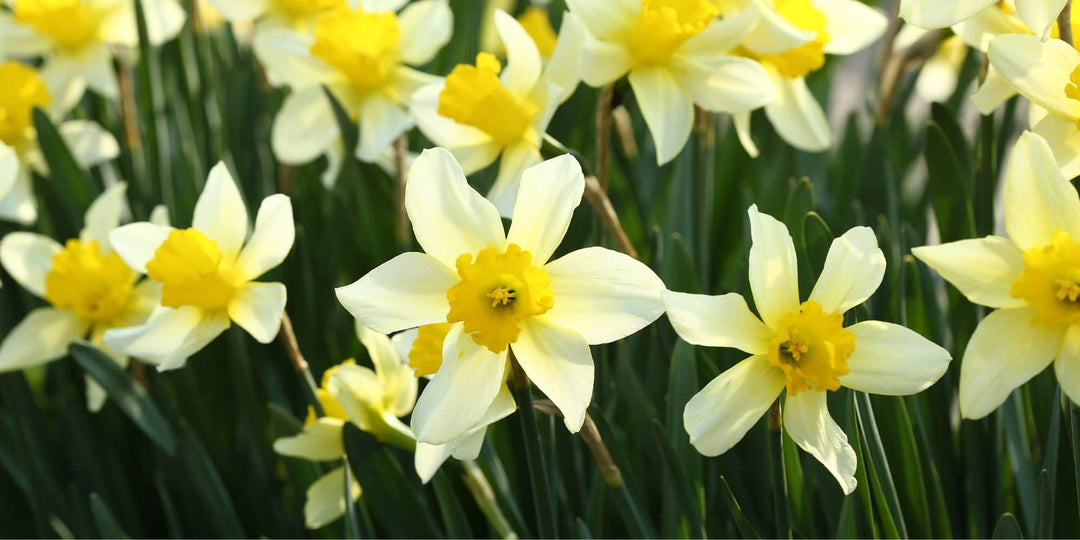
The most immediate benefit of deadheading daffodils is an aesthetic one: removing the unattractive faded blooms will help keep your garden looking neat and tidy as the flowering season comes to a close. However, it’s also an important part of perennial plant care and is helpful for the most successful long-term health of the bulbs.
When daffodil flowers die, the plant naturally tries to produce seed pods, which requires a lot of energy. Deadheading helps redirect this energy back to the bulb instead. As a result, the bulb will store more nutrients and grow stronger, resulting in bigger, better displays each year.
Daffodils typically start to fade 6-8 weeks after the buds open. In the UK, this is usually around late April, depending on local weather conditions. Around this time, the flowers will start to lose their vibrant colour and appear shrivelled or wrinkled – this is when your daffodils are ready for deadheading.
It’s unlikely that all of your daffodils will fade at the same time, so there’s no need to wait until every flower on the plant has died before you start deadheading. Instead, check your daffodils regularly, and remove each spent bloom as you go.
There are two main ways of deadheading daffodils: you can remove faded blooms by hand, or cut them off using a gardening tool.
Manual deadheading involves pinching off the flower using your thumb and forefinger. Simply grasp the flower head where it meets the stem and snap it off with a quick sideways motion.
The main advantage of this method is that it requires no tools (other than a pair of gardening gloves to protect your hands from the irritating sap). It’s also quick and easy, and can be done in a matter of seconds while walking through your garden. However, deadheading by hand can be less precise than using proper hand tools. You might also find it challenging if you have limited hand strength or dexterity, especially with thicker-stemmed varieties.
You can also use cutting tools to deadhead your daffodils. Bypass secateurs and gardening scissors will work well for most daffodils, while small pruning snips like Darlac Deadheading Snips are ideal for more delicate varieties.
After deadheading your daffodils, leave the foliage alone for at least six weeks. While it might be tempting to cut back the leaves along with the flowers, allowing the foliage to die back naturally will improve next year’s display. The leaves are crucial for photosynthesis, which produces the energy needed for next year’s flowers.
Only remove daffodil leaves once they've yellowed and begun to wither. In the meantime, you can gently lift any flopped leaves away from pathways – but it's best to avoid tying them up, as this reduces their ability to absorb sunlight.
Before the foliage dies back, consider marking clumps of daffodils with small stakes or plant labels. This will help you remember where your bulbs are and prevent accidental disturbance during summer and autumn planting.
Get ready for spring with Johnsons' extensive collection of daffodil bulbs. Whether you're drawn to classic trumpet varieties, charming miniature tête-a-têtes or striking double blooms, we have the perfect varieties for every aesthetic. We also have all the gardening essentials you’ll need to keep your beds and borders thriving, from precision snips and secateurs to high-quality compost.
Browse our online shop today to explore our fantastic range of flower bulbs, tools, and accessories, or explore our blog for more top gardening tips!
Find our favourites in one place with our most very best flower plants.
Enjoy the beauty of growing from seed with our premium flower seeds.
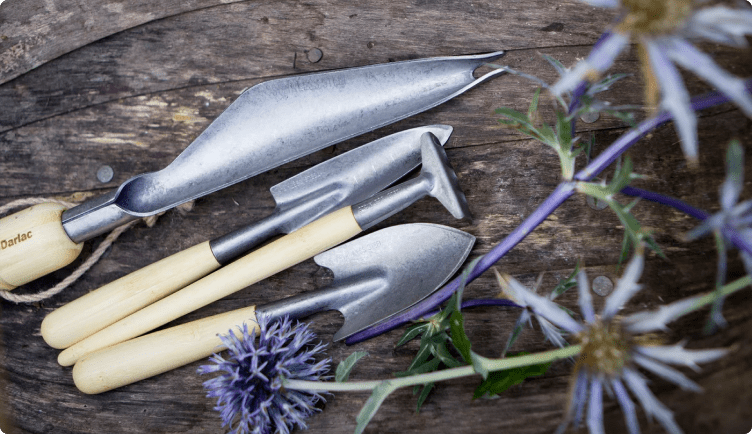
Find out the latest on all things Johnsons when you join our email list!
By clicking Sign Up you're confirming that you agree with our Terms and Conditions.