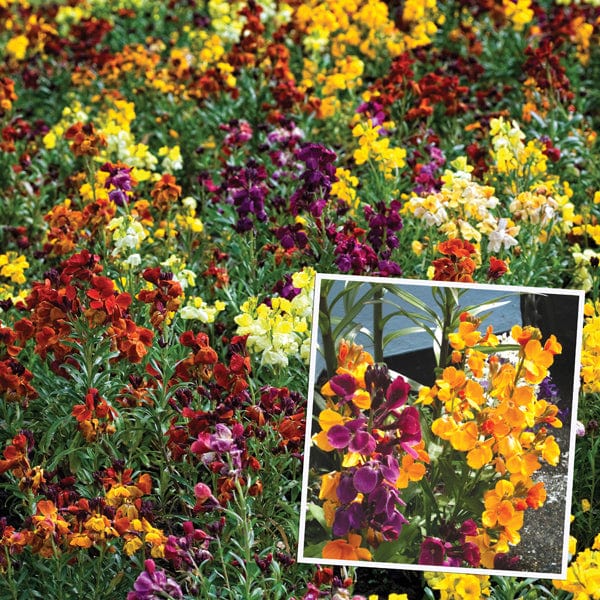
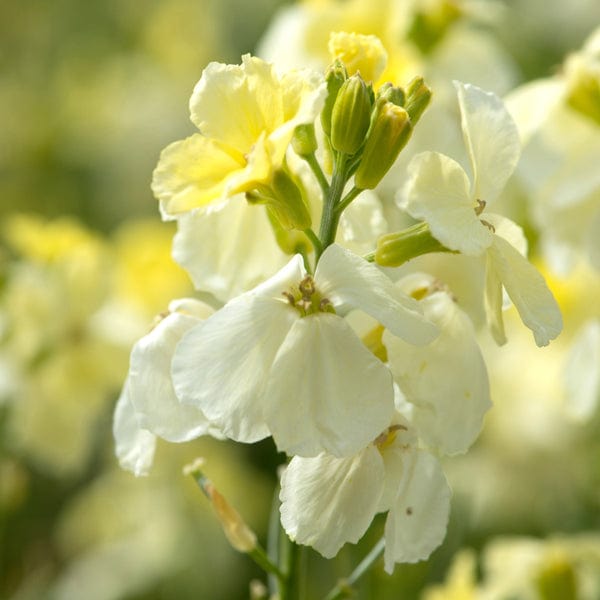
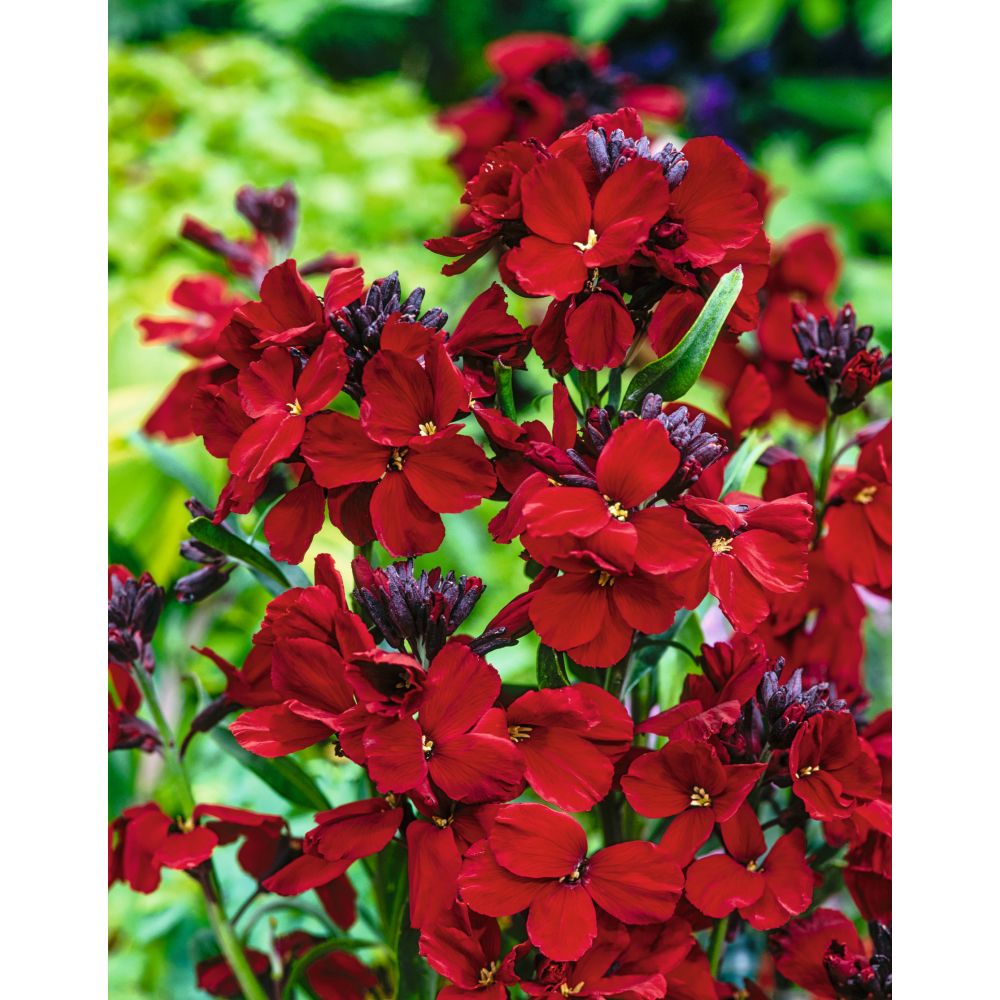
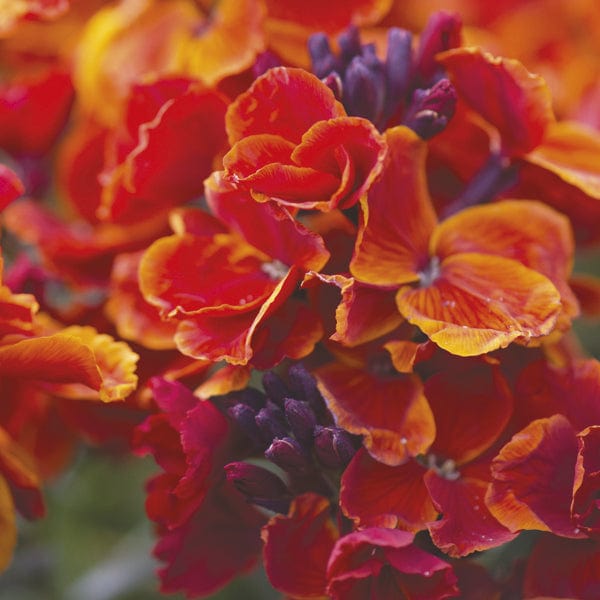
Chrysanthemums: Beautiful Inside and Out

Traditional, elegant, striking.

These are just three of the countless words you could use to describe one of the most beautiful flowers in the world.


Chrysanthemums are back in fashion, and are being celebrated for their exceptional beauty, extraordinary varieties, and stunning colours once more. This timeless perennial has a real talent for creating truly captivating displays that are guaranteed to turn heads; and when everything else becomes tired and dull, they’ll keep your garden beautifully vibrant through the autumn and winter months.


They are undeniably some of the most versatile and transformative flowers available, and it’s no mystery as to why they’re so popular amongst colour lovers. Whether planted singly or in groups, in beds and borders, or in patio pots and containers, these showstopping blooms will stand proudly and bring that much-needed brightness during the later months.


If you’re seeking inspiration, keep reading as we explore colour combinations, varieties, and how to style your chrysanthemums.

Stunning variety

Chrysanthemum blooms come in a variety of fascinating shapes, sizes, and petal density, including:


Single 
With a central yellow disc, often green-centred, and up to five rows of flat petals, these lovely blooms are reminiscent of daisies.


Pompon 
True to its namesake, this iconic, spherical bloom consists of tightly packed tubular florets that grow outwards from the base, fully concealing the centre.


Quill-shaped 
Straight, tubular florets with slanted openings at their tips give the wonderfully unique appearance of a quill.


All of these types and more can be found within our range.

While Chrysanthemums are primarily grown for their spectacular flowerheads, it’s not solely because of the shape and size of their blooms. It’s because of the diverse range of colours, too.

Create showstopping combinations

Create a harmonious display by utilising the basic principles of colour theory: complementary (for vibrance and contrast), analogous (for cohesive blending), and triadic (for a higher, but balanced, contrast).

Complementary colours are on opposite sides of the colour wheel. The deep, romantic crimson of the incurve Regal Mist Red pairs beautifully with the zingy lime of the pompon Lola Green.


Analogous colours are neighbours on the colour wheel. The Spartan Fire boasts vivid red petals with yellow accents that almost give the appearance of being gilded in gold, and sits very comfortably next to the Astro Bronze. Swap the Astro for the Danielle Bronze for more variation between types. The Hogmanay Collection is the perfect example of analogous harmony.


Triadic are three colours that are spread evenly around the colour wheel. Pair the Starburst Collection with Peggy for a striking combination of green, purple, and orange.


For something more calming and subtle, consider pairing Fairweather Young Plant with Ja Dank Young Plant, or Early Yellow with Gompie White.

But who said you had to settle for just one or two varieties? If you’re feeling spoiled for choice, why not go for the Woolmans Chrysanthemum Bloom and Spray Collection and enjoy nine stunning varieties that create a real celebration of the majesty of the chrysanthemum.

Bring the outdoors in

Chrysanthemums are a jewel in autumn’s crown, but don’t feel that they should be restricted to your outdoor space. Take some cuttings and allow their rich, colourful display to touch your home as well as your garden, bringing the outside in.


Their versatility means that whatever the colour palette of your interior, chrysanthemums have shades and hues to complement, offset, or match. In a home of soft and neutral tones, a burst of deep red or rich apricot brings instant warmth, whereas in a space already filled with colour and personality, creamy whites and pale pinks offer a more subtle lift.


They’re one of the most popular cut flowers, most notably because of their impressive longevity in comparison to more delicate flowers. They can survive for up to a few weeks once cut and placed into a vase, as long as you take a few simple, but necessary, steps which you can read about in our How To Grow Chrysanthemums guide.

Ready to create something beautiful?

These hardy perennials will come back year after year, ensuring autumn and winter is always full of warmth and a burst of colour. Now that you’re thoroughly inspired to introduce the captivating chrysanthemum to your home and garden, take a look at our beautiful range and explore blogs to help you get the most out of your chrysanthemums:

Chrysanthemum plants are a must-have in your cut flower garden, but they aren’t just limited to your beds. Planter pots make the perfect home for chrysanthemums and are a popular choice amongst gardeners for a number of reasons. Not only can they have immense aesthetic appeal, but they also offer you the flexibility to rearrange and curate your displays as you wish and are perfect for containing and overwintering certain hardy varieties of late chrysanthemums during the frost.

If you’re interested in growing chrysanthemums in pots, take a look at our guide to find out how to grow and curate the most dazzling displays in your garden.

By Johnsons Team
Johnsons Blog
Jan 21, 2025

Chrysanthemum plants bloom naturally from mid-August to mid-January but can be divided into three categories based on their flowering time:

Earlies: Mid-August to mid-September

Lates: Mid-October to Mid-January

Mid-season: Those that flower in between

But how exactly do these flower plants differ? Well, despite all being chrysanthemums, they have individual needs and growing conditions that impact their ability to produce healthy, bounteous blooms. If you’re looking to create dazzling arrangements in your outside space, you should first understand the different chrysanthemum flowering times.

By Johnsons Team
Johnsons Blog
Jan 21, 2025

Typically flowering between August and January, chrysanthemums are known for the vibrancy that their blooms contribute to displays across the nation.

Grown in gardens, early-flowering chrysanthemums tend to bloom until around September before signs of the first frost. Late chrysanthemums, however, are generally grown in pots and can be in bloom for the first few weeks of winter.

While certain chrysanthemums are hardy, you may need to overwinter your flower plants to guarantee their health as the weather warms again. There are several ways in which you can protect your chrysanthemums from the frost, including storing them and potting them inside the home. Read our guide to uncover the various ways in which we recommend overwintering your chrysanthemums.


By Johnsons Team
Johnsons Blog
Apr 29, 2025

Socials

Follow us on Instagram

Follow us on Youtube

Follow us on TikTok

Follow us on Facebook