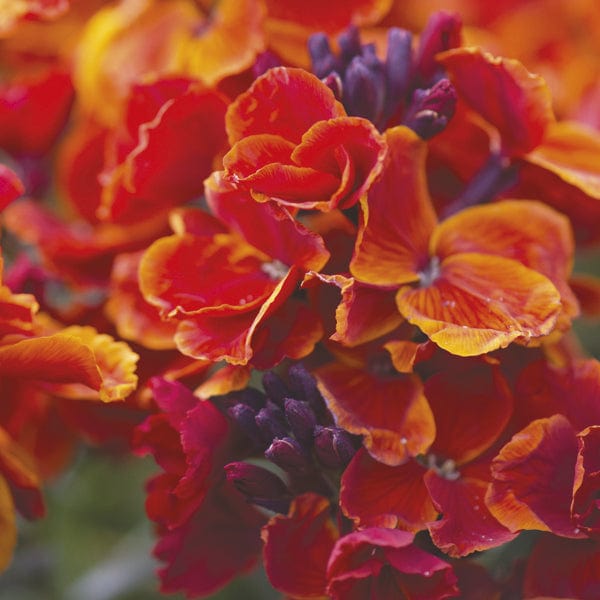
Grow Your Birth Flower
Related Product
Item added to bag!
Your Basket
Spring 2026 Has Landed - Get Planning Your Beautiful Flower Garden Today
4 For 3 On ALL Seeds

£3.59

£3.59
Your basket is empty
Continue shoppingTaxes included. Shipping calculated at checkout.
January’s birth flower is the carnation: a gorgeous Dianthus with ruffled petals ranging from the softest ballet-shoe pink to deep wine red. A symbol of love and devotion, carnations bring a delightfully vintage aesthetic and have an excellent vase life.
Carnations flower from late spring, though can bloom in January if greenhouse-grown. If you don’t have a greenhouse, consider growing January’s secondary birth flower, the snowdrop.
The birth flower for February is the violet, which represents modesty and faithfulness. Violets’ delicate blooms are perfect for cottage garden-inspired displays and come in a variety of shades, including royal purple, pristine white and watercolour blue.
A popular choice is the Sweet Violet, a beautifully scented native British wildflower that blooms from late February.
Flowering reliably in early spring, daffodils are the quintessential March birth flower, bringing fashion-forward pops of sunshine to any space.
The traditional March birth flower is the Jonquil daffodil. Jonquilla varieties, such as the beautiful Narcissus Baby Moon, are known for their canary-yellow, small-cupped blooms. However, any daffodil will capture the same essence of cheerfulness and hope.
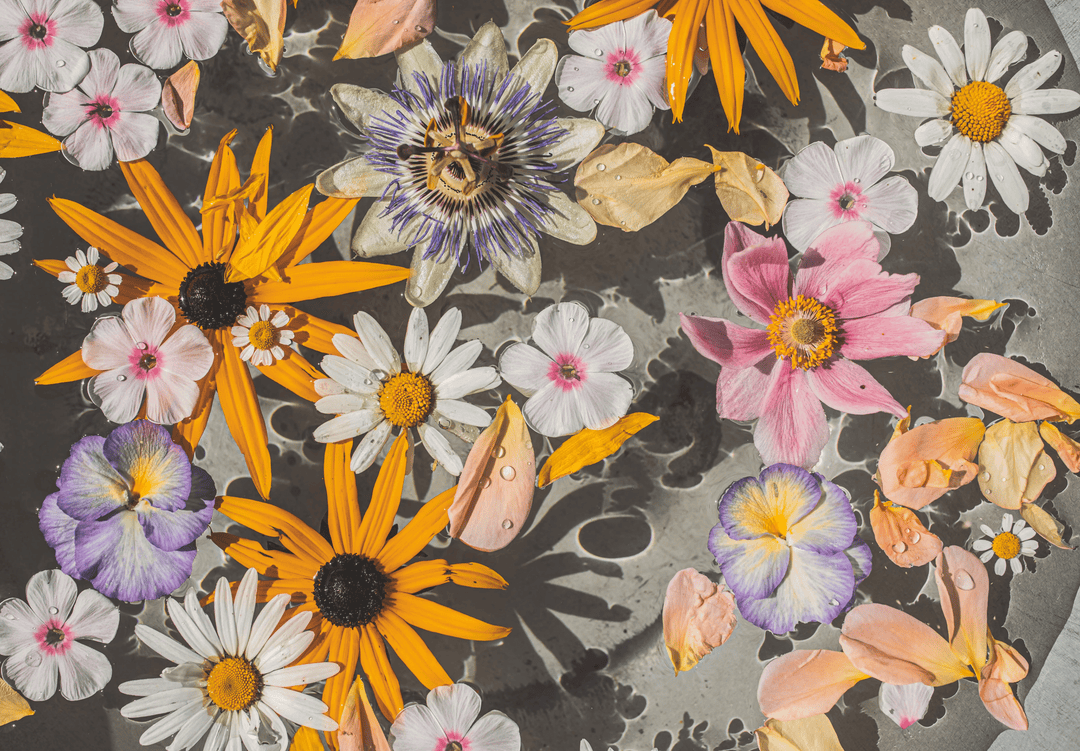
Symbolising innocence and joy, daisies are the classic birth flower for April. They make beautiful meadow-inspired arrangements, especially when mixed with colourful wildflowers for contrast.
Along with wild English daisies, there are many daisy-like species that work well as cut flowers: oxeye daisies and Cape daisies (Osteospermum), to name just a few.
The Lily of the Valley is May's birth flower, recognisable by its elegant bell-shaped blooms, graceful arching stems and distinctive fragrance.
Traditionally associated with purity and sincerity, Lily of the Valley creates enchanting woodland-inspired bouquets. Though they only flower for three weeks (in May, of course), these long-lived perennials will return year after year.
June celebrates the beloved rose. From showy hybrid teas to quaint wild roses, these timeless flowers offer endless variety in form and colour. Red and pink roses symbolise love and romance, while yellows and oranges signify friendship.
Roses last well in the vase when cut at the right stage. Thornless varieties are a particularly good choice for indoor arrangements.
The delphinium, or larkspur, is July's birth flower. These stately perennials bloom abundantly throughout June and July (and again in August if cut back properly).
Delphiniums, which symbolise open-heartedness and positivity, bring height and drama to July birthday bouquets. Their tall spires come in many spectacular shades, from pastel pinks and blues to the sumptuous Delphinium 'Aurora Deep Purple'.
August’s birth flower is the gladiolus, a member of the iris family. With their towering stems and large, vibrant blooms, gladioli are a classic sight in the summer cut flower garden and represent strength and endurance.
Gladioli bulbs are easy to grow and come in practically every hue imaginable – even green! Their flowers grow on both sides of the stem for fantastically full-looking bouquets.
The charming aster is September's birth flower. Named after the Greek for ‘star’, asters bloom from late summer to autumn and are seen as symbols of wisdom, faith and love.
There are many varieties of aster to choose from for your September bouquets, from bright purple Michaelmas daisies to striking double-flowered varieties such as Aster Matador Mixed.
October's birth flower is the marigold, whose warm orange and yellow blooms represent passion, creativity and resilience – and beautifully mirror autumn's changing colours.
Both French and African marigolds are wonderful for cut flower bouquets. Growing marigold seeds has a practical benefit, too: their peppery scent helps to deter garden pests!
The birth flower for November is a mainstay of the cut flower garden: the chrysanthemum. These colourful blooms have been cultivated for centuries and are said to manifest happiness, health and longevity.
From delicate spider chrysanthemums to ball-shaped pompons, chrysanthemum plants are easy to grow, and their flowers last for weeks. Late chrysanthemums, which bloom from October to January, are ideal for November bouquets.
December birthdays honour the paperwhite, a pure white Narcissus that symbolises hope and devotion.
With their elegant and incredibly fragrant blooms, paperwhites make for breathtaking winter bouquets. They will readily flower in December if planted in September and brought indoors once foliage appears.
Ready to start growing your birth flowers? Explore Johnsons’ huge range of flower seeds and flower bulbs today, and visit our blog for more growing tips!
Find our favourites in one place with our most very best flower plants.
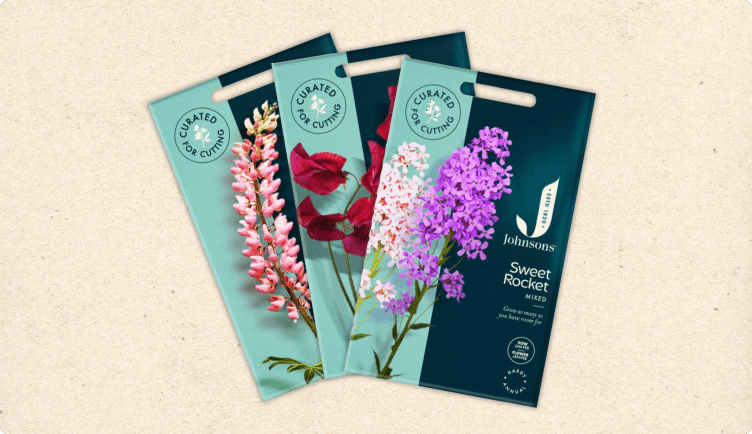
Enjoy the beauty of growing from seed with our premium flower seeds.
Find out the latest on all things Johnsons when you join our email list!
By clicking Sign Up you're confirming that you agree with our Terms and Conditions.