How to Get Rid of Flies in House Plants
Chrysanthemum Collections
Free Delivery On All Orders over £50
Item added to bag!
Your Basket
Spring 2026 Has Landed - Get Planning Your Beautiful Flower Garden Today
4 For 3 On ALL Seeds

£3.59

£3.59
Your basket is empty
Continue shoppingTaxes included. Shipping calculated at checkout.
Fungus gnats are naturally drawn to moist soils, which is why we recommend only watering your plants as and when necessary. When dry, your soil won’t be liveable for flies and gnats, forcing them to leave your plant alone.
You can also avoid attracting gnats to your houseplants by introducing thick, dry soil to cover the previously moistened soil. This allows the soil beneath to dry out, creating unlivable conditions for flies and deterring newcomers from settling in.
Stick traps are an effective way to capture flies and prevent them from laying eggs in your plant. These traps jut out of your soil and attract flies with their bright colours. Whilst not an ideal solution for those who take pride in the presentation of their displays, you’ll be surprised by just how effective they can be.
If you’d rather avoid sticky traps but are looking for a direct solution on how to get rid of flies in house plants, you may want to consider insecticides. You can find a suitable houseplant insecticide that you can simply spray on your plants' leaves to kill and deter potential pests.
If you’re already deep into your fungus gnat situation, removing your contaminated soil and starting fresh may be best. The chances are that adult gnats will have already laid their seed deep into your soil, so we’d recommend tackling the problem at the root – literally. Gently remove your houseplant from its pot, replace the soil and replant. From this point on, you have the perfect foundation to follow each of our aforementioned suggestions for an effective attack against flies in your house plants.
Hopefully, by now, you have a better idea of how to get rid of flies in house plants. We understand that gardening is likely a passion of yours, and we aim to make your experience and results as prosperous as possible, so we are keen to help maintain the beauty of your flower plants and house plants as best we can.
Look at our gardening essentials and house plants today, or grow your own from our premium range of flower seeds. If you’re wondering what to do in the garden now, look at Johnsons' gardening advice for even more suggestions on creating your own bright and bountiful blooms.
Find our favourites in one place with our most very best flower plants.
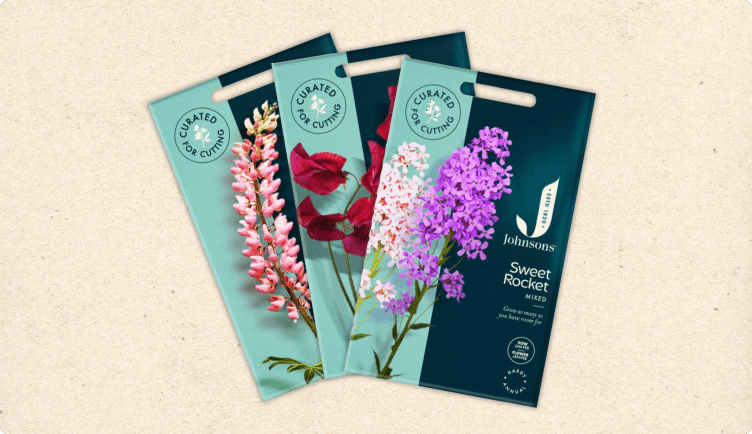
Enjoy the beauty of growing from seed with our premium flower seeds.