How to Grow Wallflowers

10 minutes Read
When to Sow: April-May
Johnsons-Johnsons Written by Pim Dickson
Sections Filter
30x bare root Wallflower Fire King

How to Grow Wallflowers

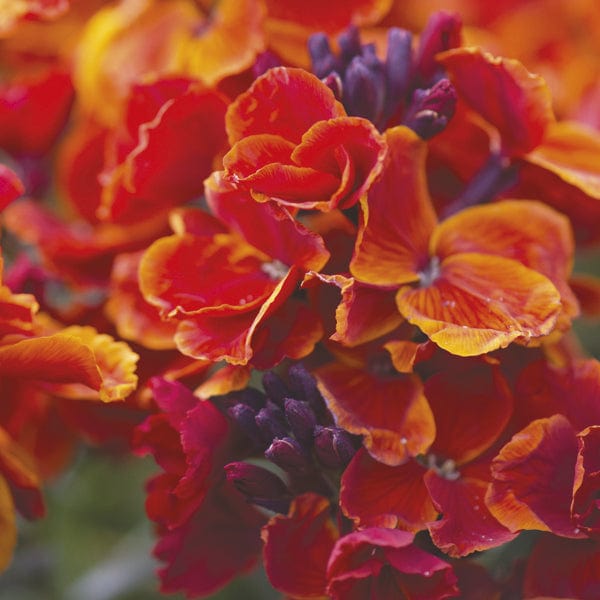
Nothing adds a touch of character and charm to a garden quite like a wallflower. These biennial seeds add colourful splendour to springtime gardens, with clusters of colourful four-petalled flowers bringing wonderful shades of deep crimson, burnt orange, and golden yellow to any arrangement.

In this guide, we’ll share our advice on how to grow wallflowers, covering the essentials like where, how, and when to plant your wallflowers to ensure they bloom into sensational displays for your garden.

Wallflower Sugar Rush F1

Sowing & Planting

Before you begin, the most important thing is to check whether you have perennial or biennial wallflower seeds. The classic wallflowers used for bedding are biennial, meaning they should be sown in late spring to summer and will flower the following spring.

Wallflower seeds are best sown between April and May. You can start sowing indoors earlier in the spring (February to March); be sure to keep seed trays on a sunny windowsill or in a glasshouse. Young plants should be pricked out and potted up into 7-9cm pots when they are large enough to handle. They can then be planted out into their final positions in the late summer months (August and September). This provides your plants sufficient time to grow and establish their roots, ready to flower in the spring alongside your tulips and daffodils.

Sowing Wallflowers Inside

To get your seeds off to an earlier start, or for areas that experience late frosts, sow under cover. Prepare a seed tray or pot with seed compost. Sow your wallflowers thinly and cover with a light layer of compost. Keep your seed tray in a warm, sunny location such as a windowsill or greenhouse and water once per week so that the compost stays moist but not waterlogged. Once your wallflower seedlings are large enough to handle, prick them out into larger pots and place them outside in a warm, sheltered position.

Allow your wallflowers to grow until the late summer (July or August), at which time young plants should be placed in their final positions. 

Sowing Wallflowers Outside

In late spring, once the risk of frost has passed, sow your wallflower seeds directly into their final flowering position, or into a small ‘nursery bed’ or pot. They can sit here and grow throughout the summer until you wish to transplant them into their final position. Choose a sunny, sheltered spot that is moist but well-drained. Thin out plants to approximately 15cm apart so that they do not compete for light and nutrients. 

Ensure your wallflowers are watered regularly, particularly during dry spells. From late August, your wallflowers can be moved to their final flowering positions. Water the soil well, and consider applying mulch made from garden compost to help retain moisture and feed the plants. You can also promote bushiness by pinching and removing growing tips when you have three pairs of true leaves.

What Soil is Best for Growing Wallflowers?

Growing wallflowers requires moist but well-drained soil to prevent root rot. They are hardy plants that can thrive in non-optimal conditions; however, they prefer neutral to slightly alkaline soil and a position in full sun. Their resilience is what gives them their name, as they so often sprout from stone walls, but following our soil recommendations, your wallflowers will have the best chance of flowering year after year.

Wallflower_Sugar_Rush_mobile-Johnsons

Caring

Wallflowers are tough and can survive in harsh conditions, but as flower lovers, we want to give your seeds the best chance possible. Here’s our guidance on caring for wallflowers:

  • Positioning: Ensure your wallflowers receive plenty of sunlight and avoid locations that are too wet with poor drainage.
  • Watering: Keep your wallflowers well-watered during dry periods to ensure they remain healthy throughout the summer. 
  • Fertilising: While wallflowers do not generally require additional feeding, they can benefit from mulching with garden compost when young or the application of a liquid feed to promote flowering and bushiness.
  • Pruning: Deadheading fading flowerheads can promote fresh blooms and prolong the flowering period.
  • Propagating: Take a cutting from your perennial wallflowers for propagation; biennial flowers, however, are best grown from seeds or bought as bare-root plants.

Related Products

Sale
Feathered Pink Tulip and Wallflower Collection
Regular price £27.94 Sale price £25.25
Sale
Midnight Marmalade Tulip and Wallflower Collection
Regular price £25.94 Sale price £23.25
Sold Out
30x bare root Wallflower Cloth of Gold
Wallflower Cloth of Gold
From £11.99
30x bare root Wallflower Fire King
Wallflower Fire King
From £11.99
30x bare root Wallflower Ivory White
Wallflower Ivory White
From £11.99
Wallflower Persian Carpet Mixed
30 x bare root Wallflower Persian Carpet Mixed
Wallflower Persian Carpet Mixed
From £11.99
30x bare root Wallflower Purple Shades
Wallflower Purple Shades
From £11.99
30x bare root Wallflower Ivory White

How to Take Cuttings from Wallflowers

Perennial wallflowers such as ‘Bowles Mauve’ are often short-lived, so taking cuttings is a great way to ensure you will always have your plant. Successfully taking cuttings from a wallflower requires a few key measures to be taken.

First, identify a healthy, non-flowering shoot and cut it to approximately 10 cm in length. Pick off its lower leaves, leaving 3 or 4 at the top, and insert the cutting into a pot filled with moist seed and cutting compost. Placing a plastic bag or propagator lid over your pot keeps the humidity high and prevents water loss from the cuttings before they have rooted. Ensure that all cuttings are well-spaced and do not touch. Place them in a light, warm position and keep them well watered. Once roots begin appearing in the base of the pot, the cuttings can be transplanted to individual pots of multipurpose compost where they can grow until they’re ready to be planted into their flowering positions. 

Wallflower Tom Thumb Mixed Seeds

What Are Bare-Root Wallflowers, and How Does Growing Them Differ?

Bare-root wallflowers are those that have been purpose-grown in stock beds for the summer. They are then lifted in early autumn, with their roots exposed, and are available for purchase. These plants are ready to plant straight into their flowering positions and offer an extremely cost-effective autumn-planting option for gardeners.

  • Plant Outside: Plant bare-root wallflowers outside immediately upon arrival in a sunny, moist but well-drained position. Ensure the roots are spread apart and are well covered with soil. Water in well to settle the soil and during dry periods.
  • Fertilising: Bare-root wallflowers can benefit from liquid fertilisers to promote bushiness.
  • Protection: Be vigilant for snails or slugs, which can prey on these exposed plants and hinder growth. Applying some eggshells around the base of the plants can deter slugs and snails, or you can use biological controls such as Nemaknights Slug control.
Wallflowers_2-Johnsons

Shop Flowers at Johnsons

At Johnsons, we offer an extensive selection of premium flower seeds, flower bulbs, and gardening essentials to help you grow the most vibrant blooms in your growing space. Explore our range today, and look forward to blooms of mesmerising wallflowers to light up your early spring garden.

Guide Chapters

Bring the Outside In

Enhance your interiors with beautiful house plants from Johnsons.

Discover House Plants

Start from Seed

Enjoy the beauty of growing from seed with our premium flower seeds.

View the Range

Garden Essentials

Stock up on all of our garden essentials to best grow and maintain your space!

Shop Now