The Top 10 Most Fragrant Flowers for Your Garden
Rose plants – Rosa
Scent Profile: Variations of citrus, spice, and honeyed sweetness.
Why it’s a Top Pick: Roses remain the gold standard of garden fragrance, offering endless variety, long flowering seasons, and strong scent throw.
Key Varieties to Look For:Cornelia, Hopes and Dreams (Hybrid Tea),Gertrude Jekyll, Lady Emma Hamilton, Boscobel and Compassion.
Ideal Growing Conditions: Full sun; fertile, well-drained soil; regular watering and feeding.
Best Planting Locations: Near seating areas or doorways where you can appreciate their scent on warm mornings.
Lavender plants– Lavandula angustifolia
Scent Profile: Clean, herbal, and calming.
Why it’s a Top Pick: Easy to grow, drought-tolerant, and beloved by pollinators, the scent lingers even when dried.
Key Varieties to Look For:Hidcote andMunstead.
Ideal Growing Conditions: Full sun; free-draining, slightly alkaline soil.
Best Planting Locations: Along paths and borders where brushing past releases the aroma.
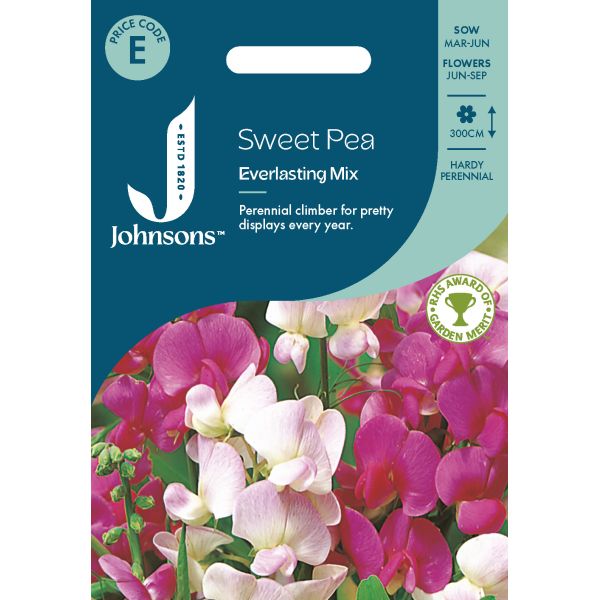
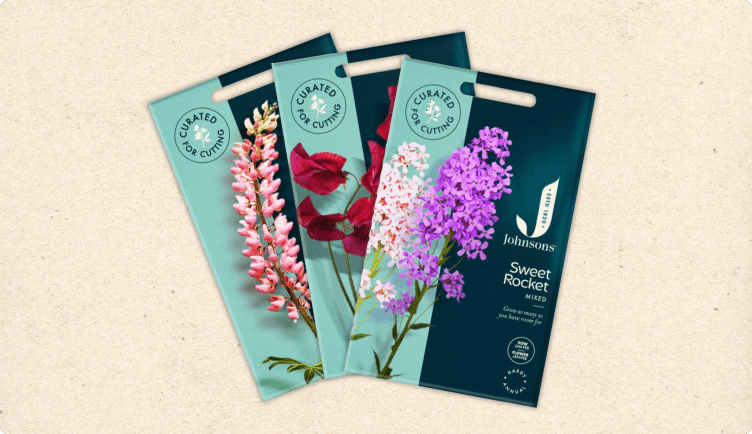
Sweet Pea – Lathyrus odoratus
Scent Profile: Sweet, floral perfume with hints of honey and orange blossom.
Why it’s a Top Pick: Renowned for their nostalgic scent and vivid colours; ideal for cut flowers.
Key Varieties to Look For:Matucana, Cupani, High Scent and Almost Black.
Ideal Growing Conditions:Sweet pea seeds enjoy full sun, rich, moist, well-drained soil, and regular watering.
Best Planting Locations: Trained up trellises near patios or garden arches for summer fragrance.
Jasmine plants – Trachelospermum jasminoides (Star Jasmine)
Scent Profile: Intensely sweet and exotic; reminiscent of tropical evenings.
Why it’s a Top Pick: Evergreen foliage and heady summer scent make it a year-round feature.
Key Varieties to Look For:Star of Toscana,Variegatum.
Ideal Growing Conditions: Sheltered, sunny wall; fertile, well-drained soil.
Best Planting Locations: Near doors or seating areas where the evening fragrance can be savoured.
Honeysuckle plants – Lonicera periclymenum
Scent Profile: Warm, honeyed, and slightly spicy, strongest at dusk.
Why it’s a Top Pick: A cottage-garden classic that thrives in UK climates and attracts bees and moths.
Key Varieties to Look For:Graham Thomas, Serotina, Scentsation.
Ideal Growing Conditions: Sun or light shade; moist, well-drained soil.
Best Planting Locations: Up fences, trellises, or pergolas near outdoor seating.
Gardenia plants – Gardenia jasminoides
Scent Profile: Rich, creamy, and intoxicating with notes of vanilla and coconut.
Why it’s a Top Pick: Few flowers rival its luxurious perfume; perfect for greenhouses or conservatories.
Key Varieties to Look For:Kleim’s Hardy, August Beauty.
Ideal Growing Conditions: Bright, indirect light; acidic, moist compost; protection from frost.
Best Planting Locations: Containers in sheltered spots or indoors by sunny windows.
Lilac plants – Syringa vulgaris
Scent Profile: Sweet and nostalgic with powdery, floral notes.
Why it’s a Top Pick: One of spring’s most beloved scents, heralding the start of warm weather.
Key Varieties to Look For:Charles Joly, Sensation, Beauty of Moscow.
Ideal Growing Conditions: Full sun; fertile, well-drained soil.
Best Planting Locations: As feature shrubs or boundary hedges near paths or patios.
Peony plants – Paeonia lactiflora
Scent Profile: Lightly sweet and rosy with delicate fresh notes.
Why it’s a Top Pick: Stunning blooms, long-lived plants, and a refined, romantic scent.
Key Varieties to Look For:Sarah Bernhardt, Festiva Maxima, Duchesse de Nemours.
Ideal Growing Conditions: Full sun to partial shade; fertile, well-drained soil.
Best Planting Locations: Mixed borders or near seating areas where blooms can be admired up close.
Nicotiana plants – Nicotiana alata (Flowering Tobacco)
Scent Profile: Sweet, intoxicating perfume strongest in the evening.
Why it’s a Top Pick: Adds fragrance to the twilight garden; ideal for pots and bedding.
Key Varieties to Look For:Grandiflora, Only the Lonely, Perfume Deep Purple.
Ideal Growing Conditions: Full sun to light shade; moist, fertile soil.
Best Planting Locations: Near patios or doors where the night scent drifts indoors.
Daphne plants – Daphne odora
Scent Profile: Intensely sweet, lemony fragrance in late winter and early spring.
Why it’s a Top Pick: One of the earliest scented blooms of the year, filling the garden when little else flowers.
Key Varieties to Look For:Aureomarginata, Rebecca.
Ideal Growing Conditions: Partial shade; moist but well-drained soil.
Best Planting Locations: Near paths or entrances for winter fragrance close to home.