Your Essential Guide to Successful Plant Propagation
Written By Anne Robinson
FREE DELIVERY
On All Orders Over £35
FREE DELIVERY
On All Orders Over £35
Item added to bag!
Your Basket
Wallflower Favourites

£13.95

£13.95
Your basket is empty
Continue shopping
If you’ve ever wished you could turn one plant into ten, plant propagation is the skill you need.
At its simplest, propagation is the art and science of creating new plants from existing ones. Whether you’re sowing seeds, snipping cuttings, or dividing a mature clump, learning how to propagate plants opens up a world of possibilities. It saves money, increases the number of favourite varieties, and gives you a deeper understanding of how plants grow.
Many gardeners assume propagation is complicated. In truth, it’s often surprisingly simple - once you understand the method that suits each plant. In this guide, we’ll explore what plant propagation is, the easiest plants to propagate, and the key environmental factors that make the difference between success and disappointment.
This is the most familiar form of propagation.
Growing from seed - known as sexual propagation - produces new plants by combining genetic material. This means seedlings may vary slightly from their parents, which is why seed growing can be both exciting and unpredictable.
A specialist seed compost from our sowing, growing and propagation range ensures the correct structure for delicate roots.
Adding a thin layer of Vermiculite over the surface helps retain moisture while allowing light through - particularly useful for fine seeds.
Seeds are often the easiest and most economical way to propagate large numbers of plants.
Vegetative propagation creates a genetically identical clone of the parent plant.
This is the method of choice when you want to preserve specific characteristics such as flower colour or leaf shape.
Use a light, airy compost mix - adding grit or perlite improves drainage. Quality compost and soil improvers are essential here; dense compost leads to rot.
Keep cuttings warm but out of direct sun.
Softwood cuttings (taken in spring/summer) root quickly. Hardwood cuttings (taken in autumn) take longer but are equally effective.
Division is often overlooked, yet it’s the quickest propagation method of all.
It works best for clump-forming perennials.
This instantly rejuvenates tired plants and increases stock.
Division not only multiplies plants - it improves flowering and vigour.
No matter which propagation method you choose, the environment is everything.
Bright but indirect light prevents seedlings and cuttings from becoming weak or “leggy.”
Most seeds germinate best between 18–21°C. Cuttings prefer consistent warmth.
Overwatering kills more young plants than neglect. Compost should feel moist, not saturated.
Good air circulation prevents fungal diseases.
Get the environment right, and propagation becomes predictable - not mysterious.
Plant propagation is not reserved for experts. It is one of the most rewarding skills a gardener can learn.
Whether you’re growing from seed, taking cuttings, or dividing established plants, understanding what plant propagation is and how to create the right environment transforms your gardening confidence.
Start with the easiest plants to propagate, refine your technique, and before long, you’ll be multiplying your favourites effortlessly.
Explore our full range of sowing, growing and propagation essentials, choose premium compost and soil improvers, and boost success with Vermiculite - then start multiplying your garden with confidence.
Find our favourites in one place with our most very best flower plants.
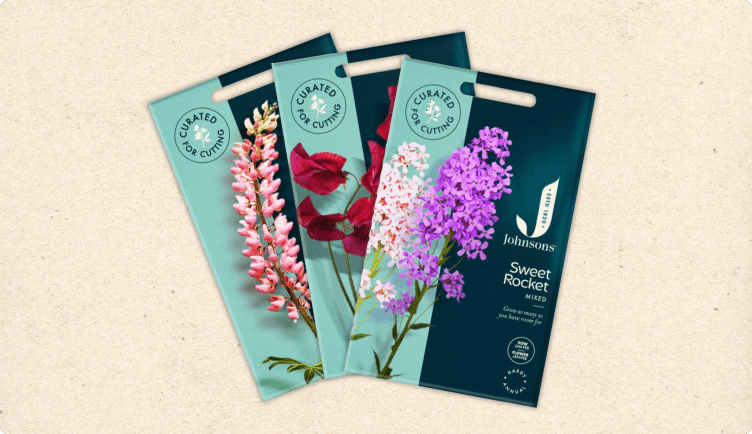
Enjoy the beauty of growing from seed with our premium flower seeds.
Find out the latest on all things Johnsons when you join our email list!