How to Add Vibrant Colour to Your Winter Garden
There’s a moment in winter when the garden goes quiet, your dahlias are done, roses have finished, and plants head into dormancy. It’s deflating, especially if you’ve spent the whole summer out there. But it doesn’t have to be that way, as with the right winter colour plants, your garden can keep looking lovely from October through to March. You just need to know what to plant for winter colour, and how to layer things so there’s always something earning its place. Follow our guide so even in the darkest days of winter, your garden pops with vibrant colour.
Related Product
How Can You Add Colour to a Garden in Winter? Think in Layers
The secret to a great winter garden is having layers that consistently deliver, even on shorter days. Most people assume there's nothing to be done once autumn is over, but that's not the case at all. Get these three things working together in your winter garden, and you'll have colour, life, and interest from November right through to February:
Flowering plants: Some plants bloom through the coldest months, and more of them than you'd expect, so you can have uplifting blooms throughout the season.
Structural colour: Think coloured stems, bark, and evergreen foliage that keep things looking alive and vibrant even on the greyest days
Berries and scent: The little touches that make a garden feel loved and considered, not just surviving until spring. Berries also help wildlife in the winter and are a great food source for birds.
Get all three right, and you'll have a winter garden that genuinely turns heads and one that gives you a real reason to get outside, even in January
What to Plant for Winter Colour: The Flowers Power
These are our recommendations for winter colour plants that bloom reliably through winter weather and will bring you joy at the coldest time of year.
Winter Pansies and Violas: Fill a few pots with winter bedding plants like pansy and viola plants, and you’ve immediately got winter covered. Tough enough to shrug off frost, cheerful enough to brighten the dreariest February morning. With colours ranging from deep plum, burnt orange, lemon yellow, and rich burgundy, they will brighten borders, hanging baskets and containers when planted in October, and will reward you until April.
Hellebores (Christmas Rose): Hellebores flower from December through to March in shades of cream, blush pink, and deep plum, and are subtle, sophisticated, and completely unfazed by frost. They’re happiest in partial shade, making them ideal for awkward spots under trees or along north-facing fences that nothing else wants. Hellebores are long-lived perennials that naturalise quietly and get better every year, bringing joy to any winter’s day.
Cyclamen coum: This little hardy cyclamen sends up goblet-shaped flowers in pink, magenta, and white from January onwards, often pushing through frozen soil and bringing the garden to life during winter. They look brilliant under trees or in rockeries, and once established, this little plant just gets better every year.
Winter Flowering Shrubs: Don’t overlook shrubs for winter colour in the garden. Hamamelis, also known as Witch Hazel, has sunny yellow spikes that glow in low winter light, whilst Viburnum Farreri Fragrans carries scented pink blossom on bare stems from November; it may have small flowers but an enormous presence.
Structural Colour: Stems & Bark
Flowers aren't the only way to add winter colour in the garden, as once you start looking, there's beauty in bark and stems once the leaves have dropped.
Cornus (Dogwood) Stems: Few things are as theatrical and colourful as a dogwood. Cornus Anny’s Winter Orange burns fiery orange-red all winter, providing a stunning contrast in the garden. Ideal for borders, containers, or mixed planting schemes, the stems are the star in winter with white flowers coming to life in the summer.
Evergreen Structure: Evergreens stop a winter garden from looking like it’s just waiting for spring. Box hedging, Fatsia japonica and Pittosporum with its dark glossy foliage all hold things together when everything else has gone quiet. Variegated forms like golden euonymus and holly catch what little winter light there is, keeping the whole garden feeling alive.
Berries & Scent (For Wildlife and Atmosphere)
Get the scent and berries right, and your winter garden and it becomes a place that smells beautiful on a frosty morning and hums with bird activity from the first cold snap right through to spring
Berries for birds: Holly, pyracantha, cotoneaster, and Skimmia japonica all carry brilliant berries well into winter. Red and orange against dark green are among the most satisfying colour combinations in the garden, and once established, they will help feed wildlife when other food sources are scarce.
Sarcococca (Sweet Box): If you plant one new shrub this winter, make it Sarcococca. It’s modest to look at but provides a low-growing, unfussy evergreen that provides interest throughout the year. From December to February, it produces tiny white flowers with a vanilla scent so intense you’ll smell it from metres away on a cold, still day. Plant it near a door, gate, or path you use every day, and you’ll notice it every single time, providing a sweet seasonal fragrance when needed the most.
Winter Jasmine: Jasminum nudiflorum, or its common name winter jasmine, covers itself in bright, pale yellow flowers from November and is happy on a trellis against any wall or fence.
Planning Ahead: Sowing for Next Winter
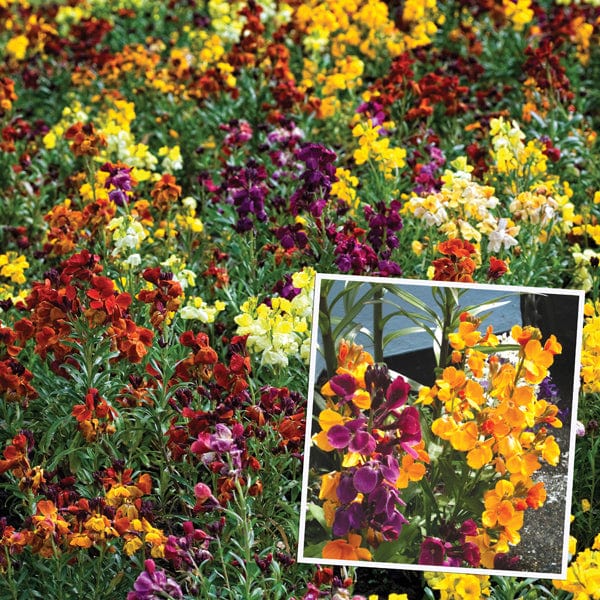
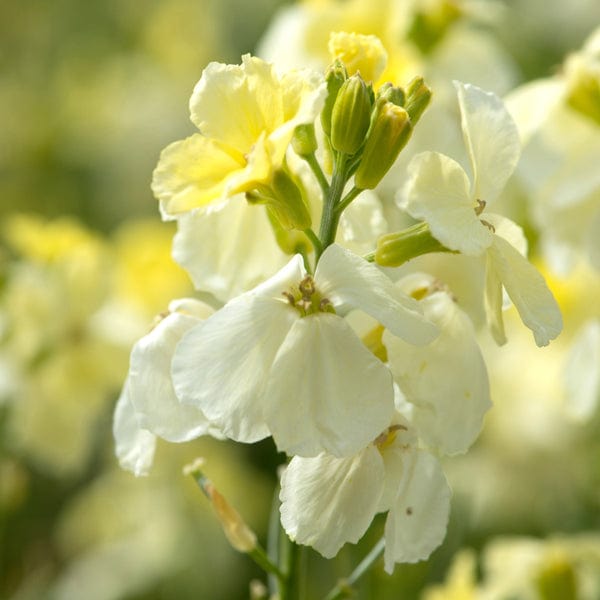
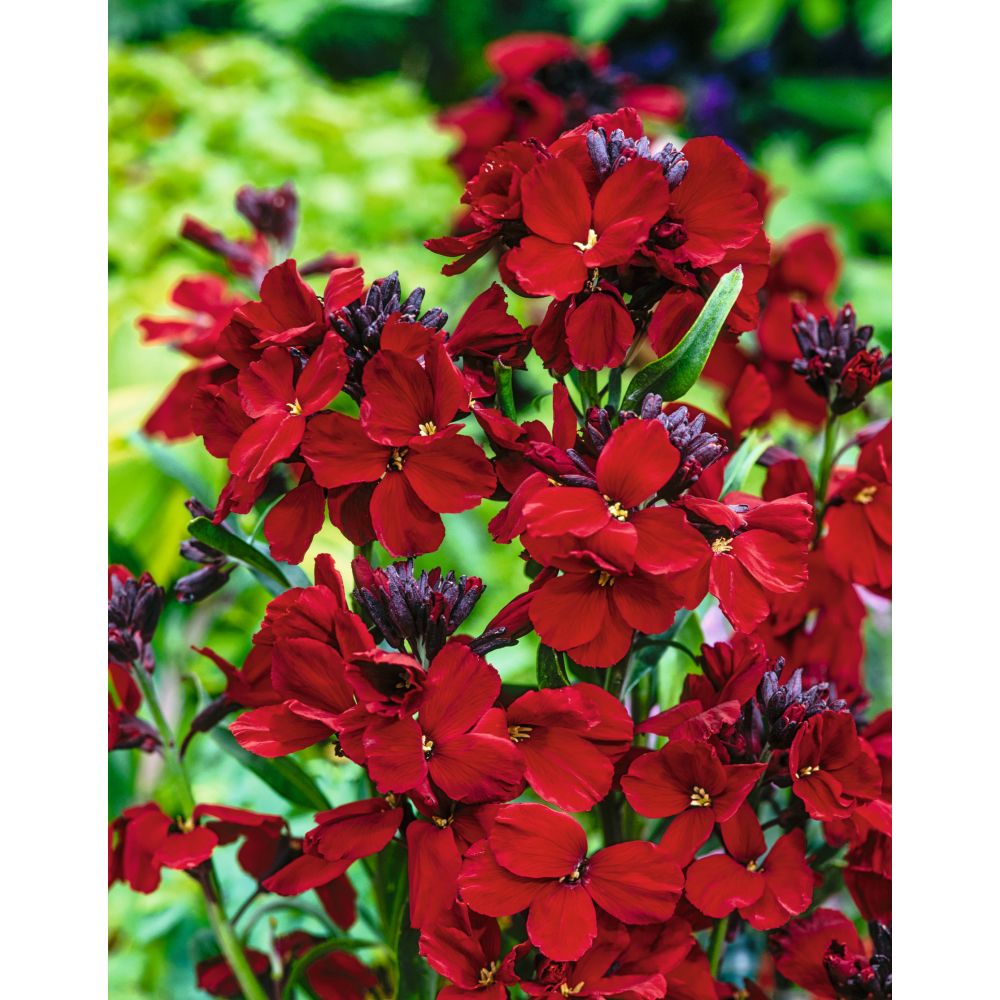
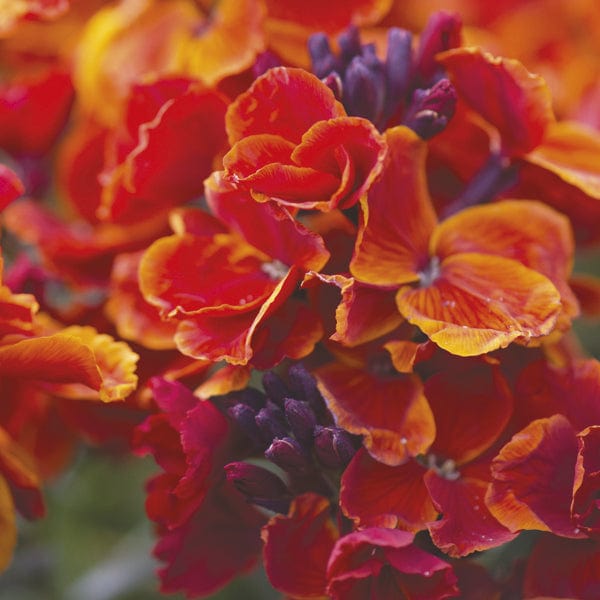
The secret to a stunning winter garden is thinking ahead. Sow pansies and violas from February onwards, and you'll have plants ready to carry your containers and borders from autumn right through to spring. Wallflowers and sweet Williams are both worth sowing in May or June and are biennials that spend their first season quietly building strength before putting on a proper show the following winter. And don't overlook polyanthus and primrose, if you sow them in early spring, they'll reward you with cheerful, long-lasting colour in pots and borders when you need it most.
For something simpler, plant crocus, snowdrops, and winter aconites in autumn for a succession of colour from January through to spring. A bit of planning now makes an enormous difference by December.
A Winter Garden Worth Walking Into
A winter garden is proof that beauty doesn't take a season off from your gardening year. With the right plants, even the coldest, darkest months can feel full of life, whether it be a frosted stem catching the morning light, a waft of Sarcococca by the back door, or a robin picking through your berried treasure.
Ready to get started? Browse our Biennial Seeds to plan for next winter, and explore our full range of Flower Seeds to keep the colour coming in every season in between.
Most Popular Plants
Find our favourites in one place with our most very best flower plants.
Start from Seed
Enjoy the beauty of growing from seed with our premium flower seeds.